




Before I Came to Study in Japan
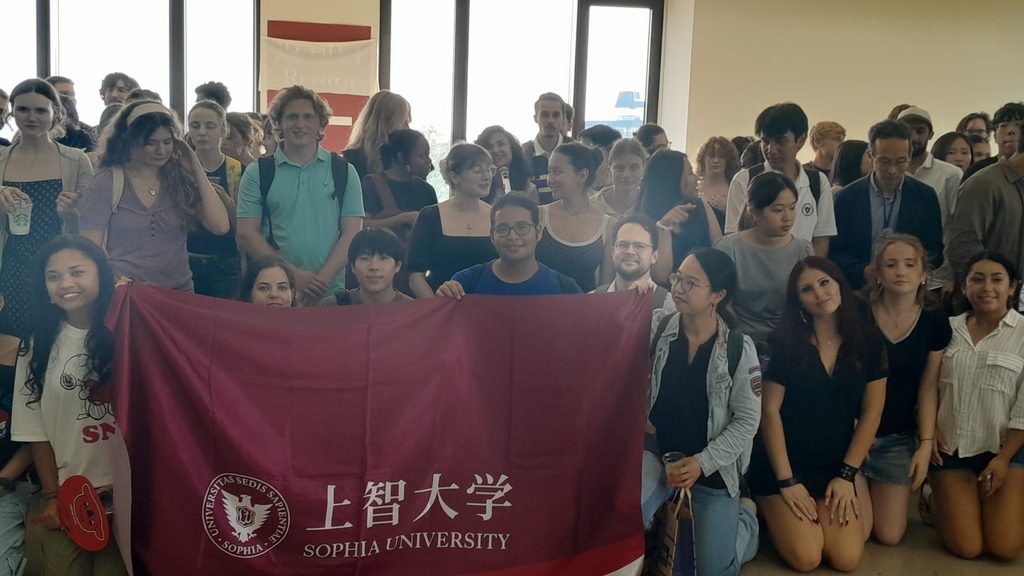
Before participating in the Sophia University Summer Program, my primary relationship with the Japanese language was deeply academic. Having already attained the JLPT N1 certification, I possessed a strong theoretical foundation, but I felt a distinct gap between textbook comprehension and real-world application. I was highly motivated to refine my ability to navigate the unspoken nuances of Japan’s high-context communication style. I chose Sophia University because of its renowned international environment at the Yotsuya campus, which I viewed as the perfect incubator for both linguistic development and genuine intercultural exchange. My goal was to actively participate in the Japanese lifestyle to test my advanced grammatical knowledge against the colloquial realities of daily life in Tokyo. I was eager to explore how the country balances rapid modernization with the preservation of its cultural heritage, and I felt that a structured program combined with urban exploration would provide the rigorous, multifaceted immersion I needed. As an international student, I also looked forward to connecting with a diverse global student body and using Japanese as our common linguistic bridge.
Experiences in Japan
- Studied under Mizuno-sensei, bridging advanced grammar with natural, colloquial expression through interactive cultural analysis.
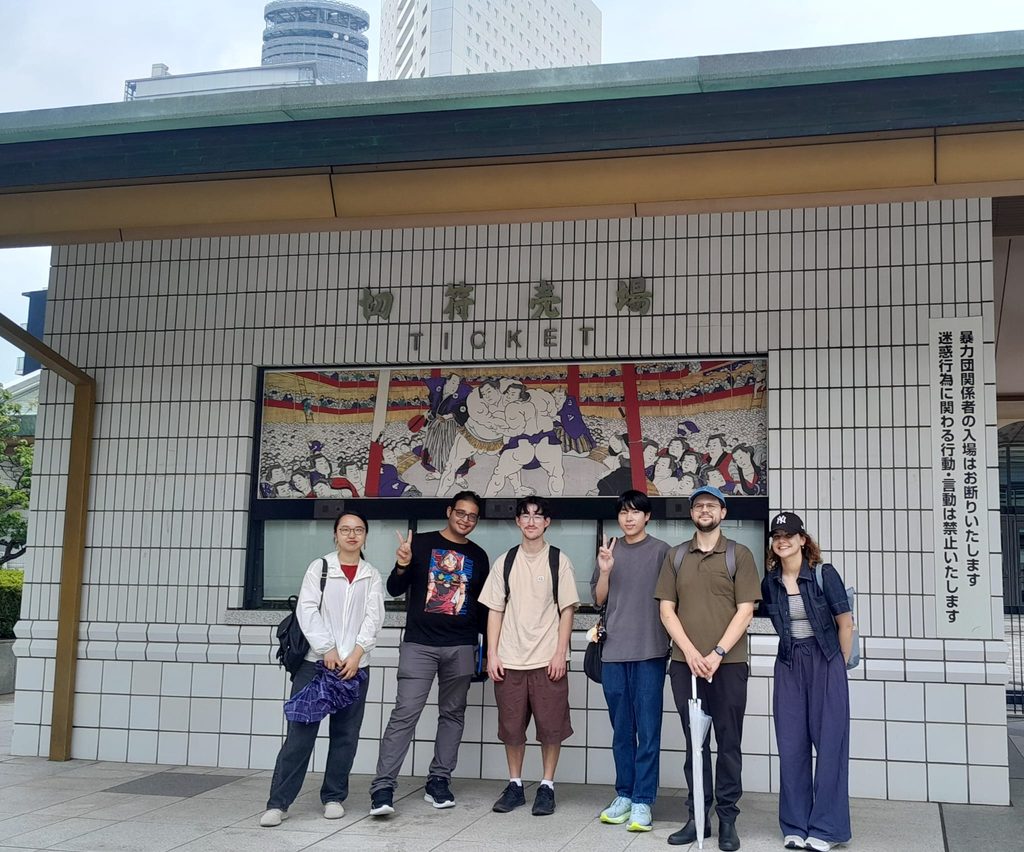
- Navigated complex transit networks and distinct districts like Akihabara, Shinjuku, and Shibuya to observe civic behavior and infrastructure.
- Traveled via Shinkansen to experience Osaka’s unique dialect and vibrant energy, alongside Kyoto’s historical preservation and aesthetic philosophies.
- Explored Japanese construction, architectural innovation, and the meticulous engineering practices shaping Tokyo’s modern skyline at the TODAtte Museum.
Memorable Incident
One of the most memorable experiences during my time abroad was traveling to the Kansai region, which served as a striking contrast to my daily life in Tokyo. Riding the Shinkansen was an incredible firsthand look at Japan’s world-renowned logistical efficiency and engineering precision. However, the true impact of the trip was cultural. Arriving in Osaka, I immediately noticed a shift in the conversational rhythm and energy of the local population. Engaging with the lively culinary and market scenes required me to adapt to the Kansai dialect (Kansai-ben). It was a thrilling challenge that demanded a high degree of linguistic flexibility and active listening, moving far beyond standard textbook Japanese. Later, visiting Kyoto provided a profound counterbalance. Sitting by a traditional Japanese garden and observing the deliberate interplay of ponds, ancient trees, and structures gave me a deeper understanding of Japan’s aesthetic philosophies. This dual experience beautifully encapsulated the multifaceted nature of Japanese culture, leaving a lasting impression on my worldview.
How I Changed During My Study Abroad
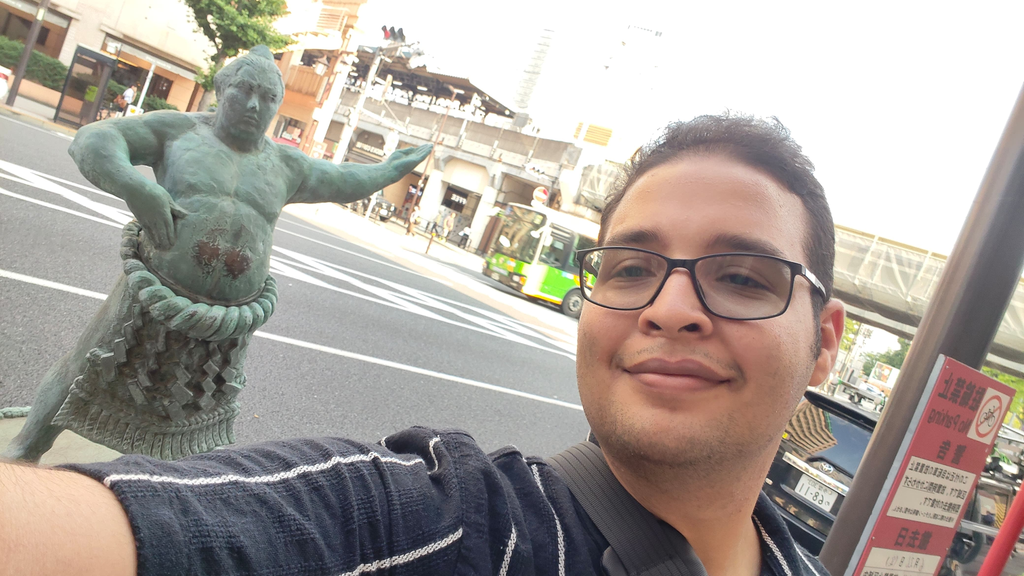
The summer program at Sophia University catalyzed a highly productive period of personal and academic growth. Most notably, I successfully transformed my theoretical academic language proficiency into practical, situational fluency. Thanks to the foundational instruction from Mizuno-sensei and the daily demands of navigating Tokyo and the Kansai region, I now feel confident utilizing advanced Japanese in complex, everyday scenarios. I learned to analyze the cultural reasoning behind linguistic choices rather than relying on rote memorization.
Beyond linguistic advancement, my most significant growth occurred in the realm of cross-cultural communication. Navigating shared projects with a student body from incredibly diverse global backgrounds—using Japanese as our mutual second language—necessitated a high degree of empathy, patience, and cultural sensitivity. I learned to recognize and adapt to different non-verbal cues and communication styles. I realized that true global competence extends far beyond vocabulary; it requires an inherent curiosity, a respect for differing international perspectives, and the diplomacy to establish common ground. I return home as a more adaptable, culturally aware global citizen, equipped with refined communication skills that are highly transferable to any international environment.
Future Goals and Prospects
The intercultural competencies, linguistic adaptability, and refined communication skills I developed during my time at Sophia University provide a robust foundation for my future endeavors. Academically, I plan to leverage this experience to pursue further research and collaborative projects that require a nuanced understanding of Japanese culture and high-context communication. The ability to bridge cultural gaps using a mutual second language is a skill I intend to apply extensively in my ongoing university studies, particularly in environments that value international cooperation.
Professionally, my goal is to build a career that facilitates cross-cultural understanding and global technological exchange. My exposure to Japan’s infrastructure, from the specialized technology hubs of Akihabara to the architectural innovations showcased by the TODA Building Group, has inspired me to seek roles within the international community that value logistical efficiency and engineering precision. I want to work in environments where I can act as a cultural liaison or project coordinator between Japanese enterprises and international partners. By utilizing the practical diplomacy and collaborative skills honed during my summer program, I aim to foster meaningful partnerships and contribute to projects that require a high degree of cultural sensitivity.
Message to students considering studying abroad
Do not hesitate to step outside your comfort zone. Studying abroad is not just about mastering a language in a classroom; it is about immersing yourself in the living, breathing reality of a new culture. Approach every interaction with empathy, patience, and an open mind. Whether you are navigating a massive transit system or collaborating with international peers in a mutual second language, every challenge is an opportunity to build your global competence. Embrace the nuances, respect the local perspectives, and allow the experience to transform how you view the world.
About Your Home Region in Africa
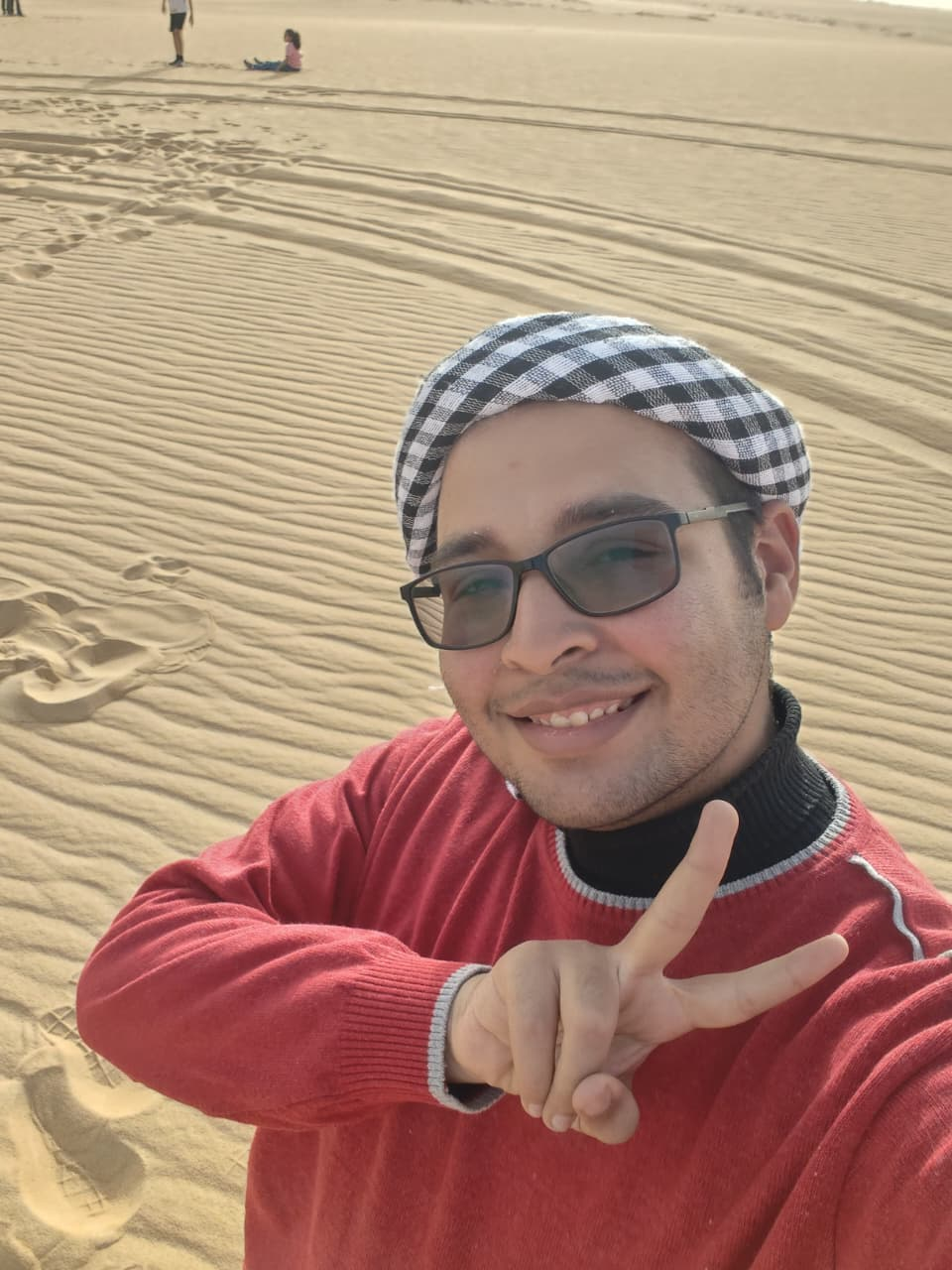
My home region is Egypt, specifically the Alexandria Governorate, where the Egypt-Japan University of Science and Technology (E-JUST) is located in New Borg El Arab. Egypt is renowned for its rich history, welcoming weather, and vibrant cuisine. Alexandria, situated on the beautiful Mediterranean Sea coast, is a historical and cultural hub that seamlessly blends ancient romance with modern life. Additionally, New Borg El Arab is rapidly developing as a major center for industry, research, and innovation, designed with abundant green spaces. Ultimately, the greatest attraction of my region is the incredible friendliness and strong spirit of hospitality of the Egyptian people.