

-1-1024x768.jpg)
Thinking about a sustainable future on Sado Island: The 2026 SADO Project Successfully Concluded
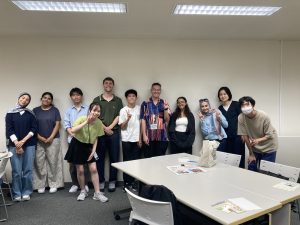
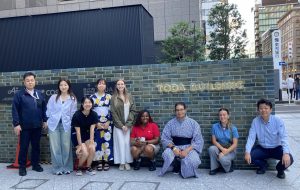
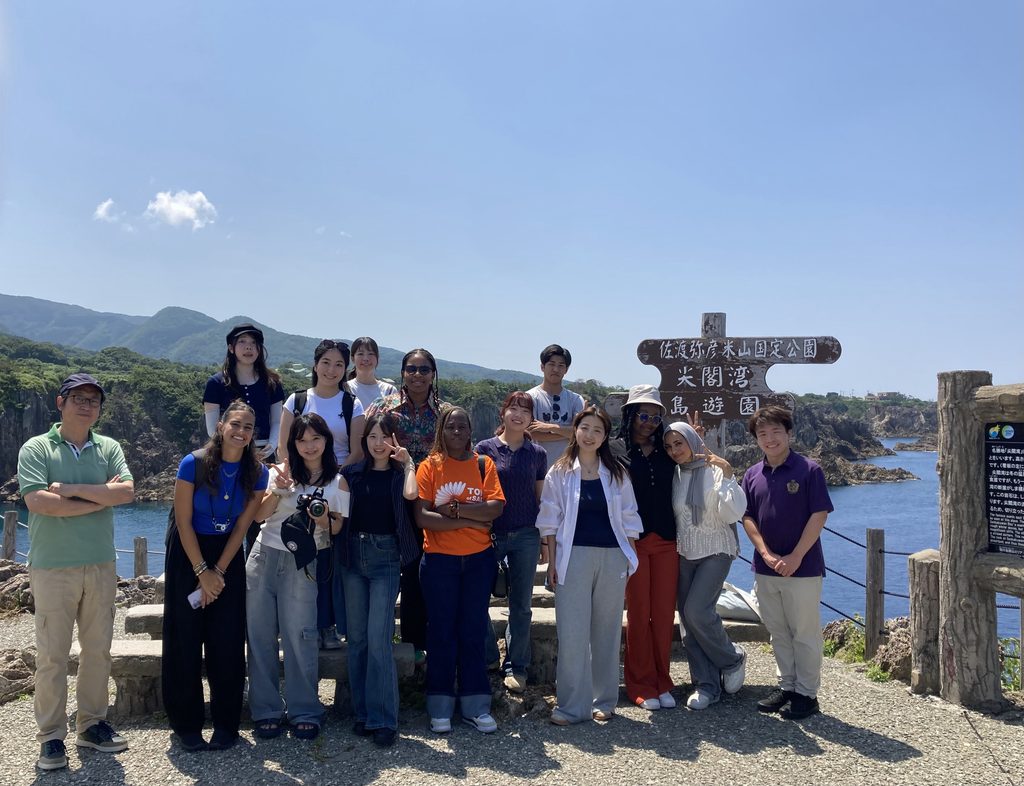
From August 1 to 9, 2026, SAFICs successfully conducted the SADO Project (Sustainability Study on Sado Island) on Sado Island, Niigata Prefecture. The program brought together five students from four African partner universities in Egypt, Côte d’Ivoire, Zimbabwe, and South Africa, along with nine students from Sophia University, to explore sustainability, community development, and environmental conservation through experiential learning.
During the program, participants worked in three thematic groups focusing on social, economic, and environmental perspectives. Through fieldwork centered around Lake Kamo, students conducted water quality surveys and environmental assessments while also interviewing residents, farmers, and fisheries stakeholders. These activities enabled them to examine regional challenges and opportunities from multiple viewpoints.
At the meeting with the Mayor of Sado City, students learned about local efforts to address the challenges of an aging society, promote sustainable tourism, and advance the Sustainable Development Goals (SDGs). The interactive discussion provided valuable insights into sustainable community building from the perspective of local government
-1-1024x768-1.jpg)
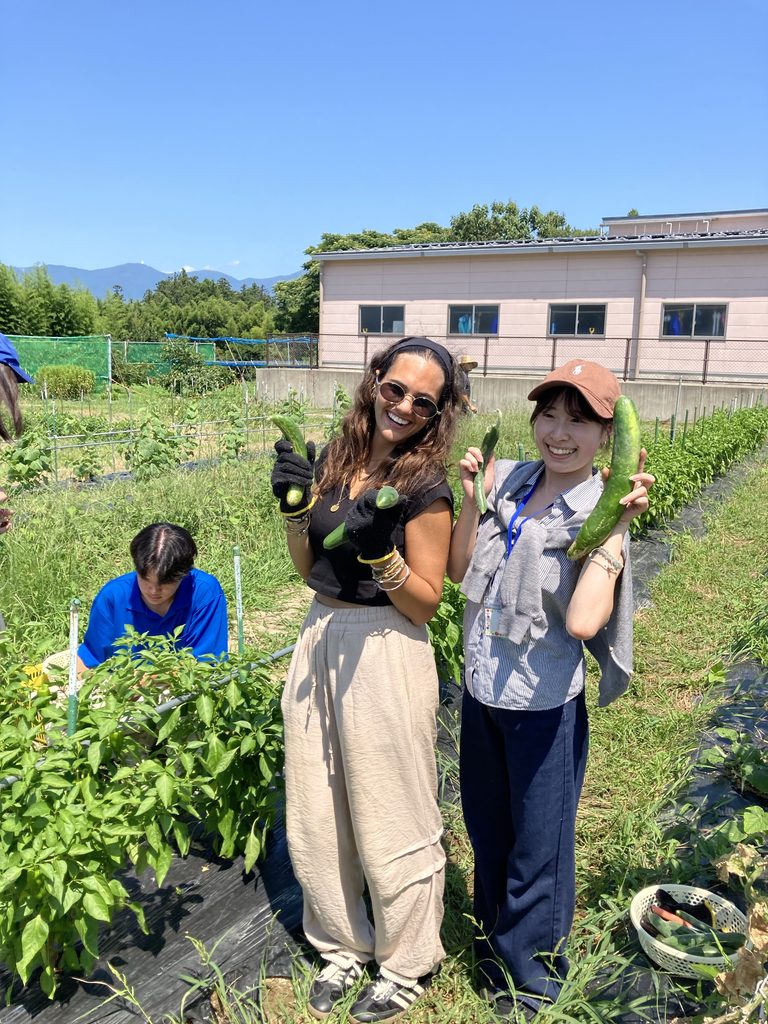
The participants also visited Niigata Prefectural Sado General High School, where they engaged in exchange activities with local students. African participants introduced the cultures and agricultural practices of their home countries, followed by collaborative activities such as vegetable harvesting and experiencing daily life in the community. One Sophia University student shared, “It was a valuable learning opportunity that I could never have gained through my regular university life. I was especially touched by the warmth and hospitality of the people of Sado.”
Throughout the program, students explored many of Sado Island’s notable cultural and natural landmarks, including Toki Forest Park, the Sado Gold Mine, the Ishina Natural Cedar Forest, Shukunegi Village, Senkakuwan Bay, Obata Shuzo Sake Brewery, temples, and museums. These visits deepened their understanding of the island’s rich history, cultural heritage, and natural environment.
The program concluded with participation in the Ryotsu Tanabata Festival. Dressed in traditional yukata, students experienced Japanese culture firsthand through local food stalls, Oni-daiko drum performances, and fireworks.
The program provided diverse learning opportunities, including international collaboration between Sophia University and African students, field-based study of Sado’s natural environment and circular society, exploration of local history and culture, and intercultural exchange through communal living.
SAFICs will continue to create practical educational programs that bring together students from Japan and Africa to learn collaboratively and engage with challenges facing both local communities and the global society.