

Sophia University has been selected for Type II: African Countries under the Ministry of Education, Culture, Sports, Science and Technology's FY2025 “Inter-University Exchange Project”. The selected program is the “The development of leaders who contribute to solving global environmental challenges through international collaboration”.
Through international collaboration between Japan and African nations, this program cultivates next-generation leaders capable of tackling global environmental challenges. It combines lectures, short-term training, and practical international collaborative training to deepen learning from both theoretical and practical perspectives.


The Inter-University Exchange Project, launched by the Ministry of Education, Culture, Sports, Science and Technology (MEXT) in 2011, aims to develop globally active human resources and strengthen the global expansion capabilities of university education. While ensuring the quality of higher education, this project supports initiatives for international educational collaboration with universities in target countries and regions, promoting overseas study for Japanese students and strategic acceptance of international students.
Africa, which is experiencing rapid economic growth, is one of the regions expected to gain an even greater presence in global society in the years to come. Against this backdrop, Sophia University has positioned Africa as a strategic priority region for advancing globalization and has currently concluded agreements with 17 institutions in 14 African countries (as of February 2025).
In addition to hosting the annual “Africa Weeks” event to promote understanding of the African region, Sophia University actively promotes educational and research exchanges with Africa through initiatives such as concluding partnership agreements with the African Development Bank and local universities, advancing African studies centered on the The Sophia University Institute of Asian, African, and Middle Eastern Studies (IAAMES), and promoting education related to Africa in undergraduate and graduate programs, including the Faculty of Global Studies and the Graduate School of Global Environmental Studies.
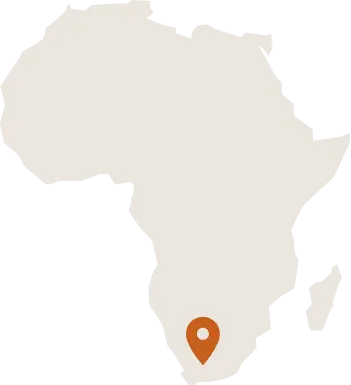
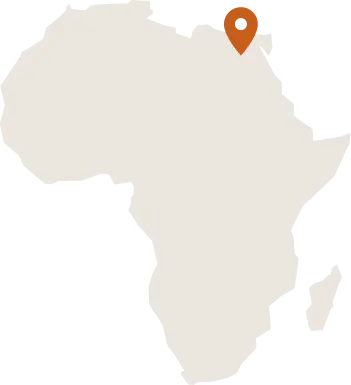
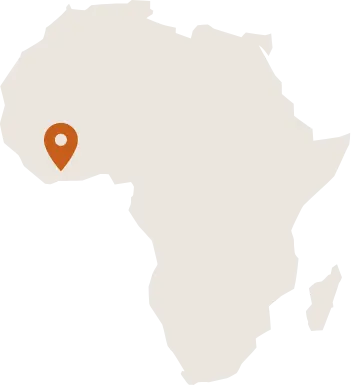
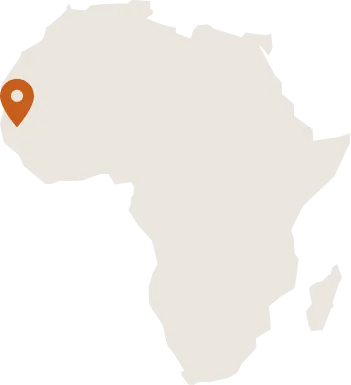
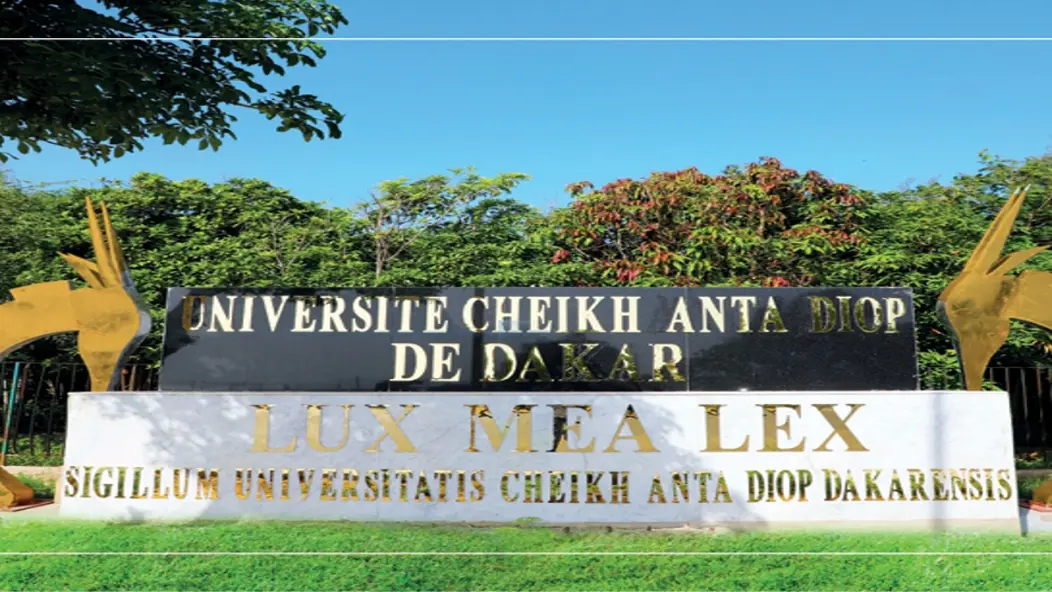
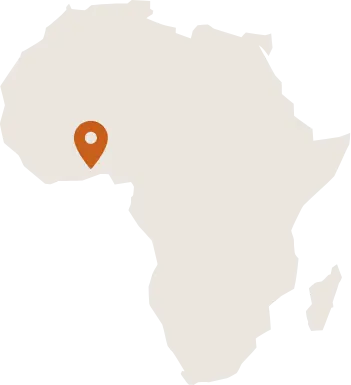
Under the “Inter-University Exchange Project”, for which Sophia University has been selected, further development of internationally competitive programs for fostering global leaders is anticipated. In this context, Sophia University has designated the following countries as partner regions: South Africa, Egypt, Zimbabwe, and Ghana in the English-speaking sphere, and Côte d’Ivoire and Senegal in the French-speaking sphere—countries in which universities and institutions with which Sophia University already has partnerships (including those within the Catholic Jesuit network) are located.


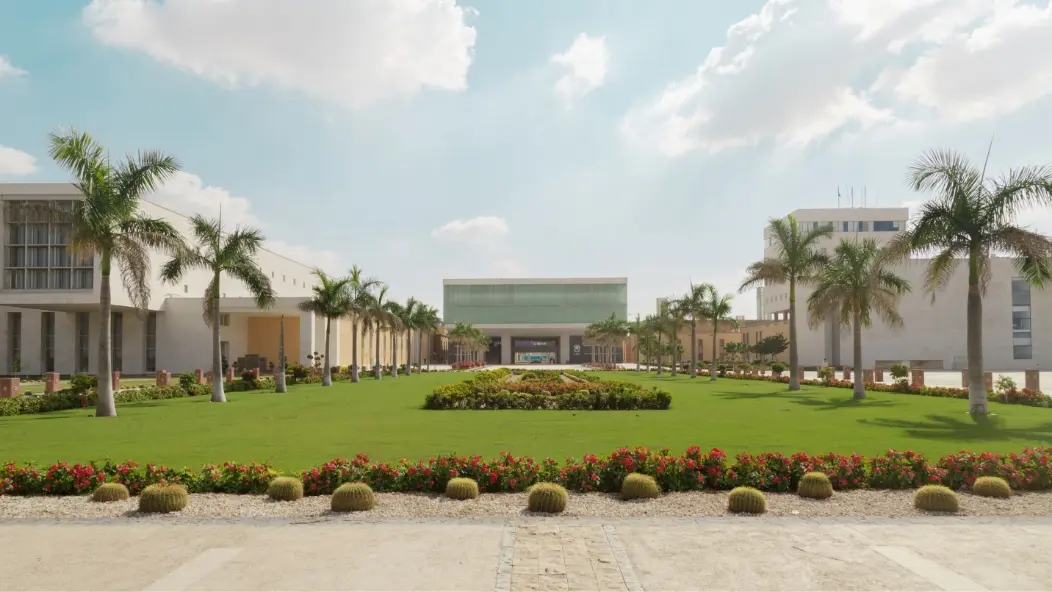
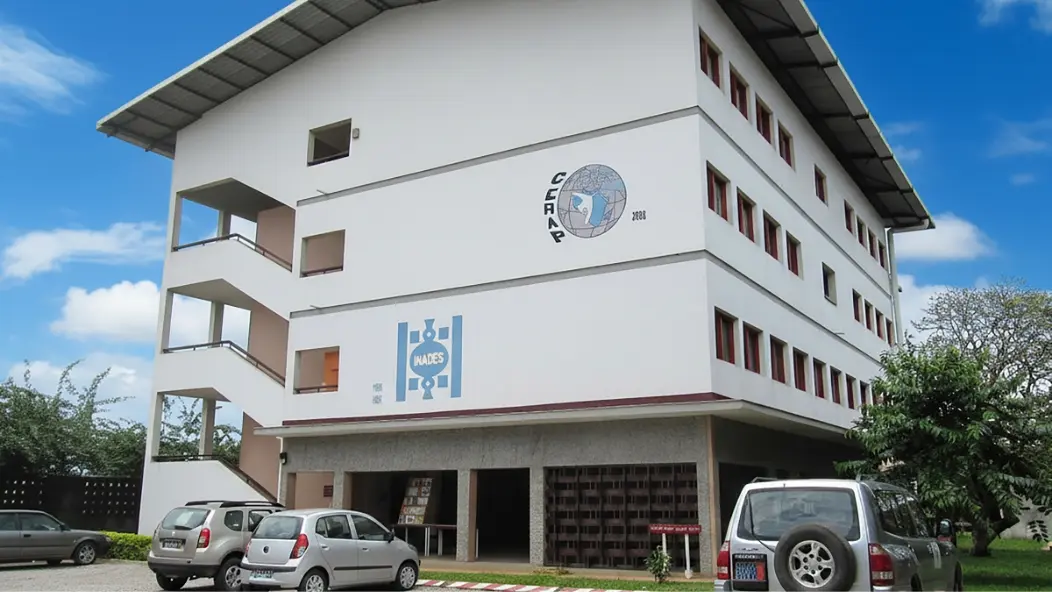
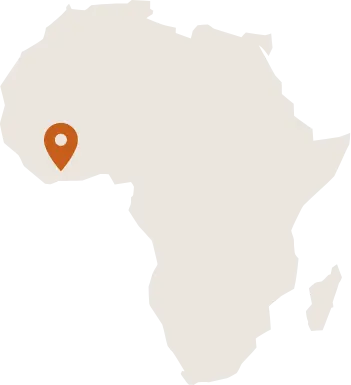
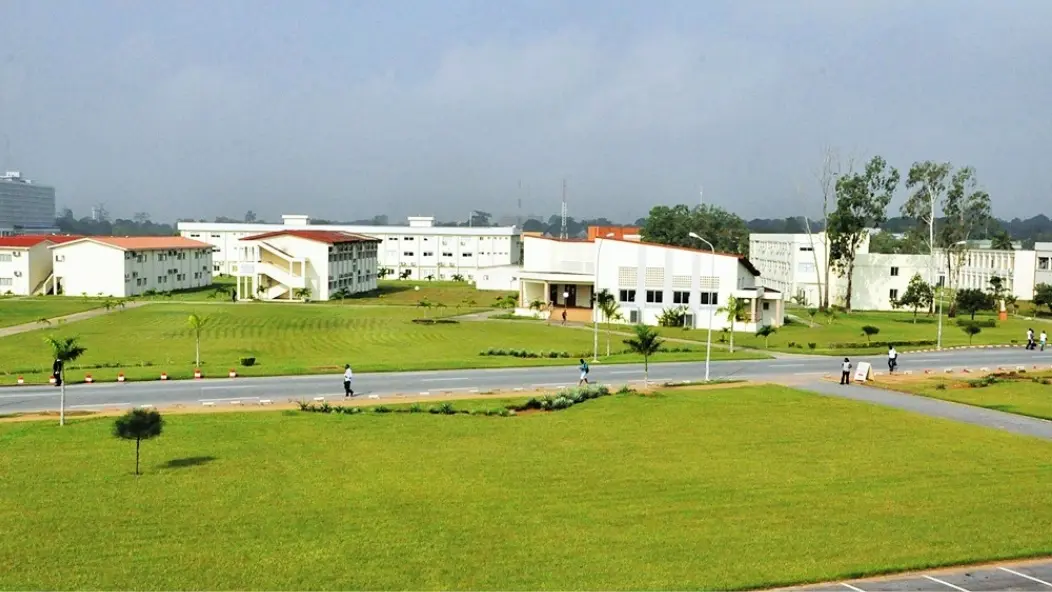
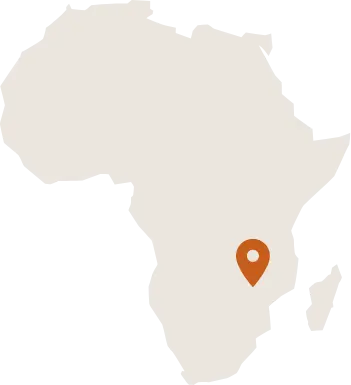
We collaborate with seven universities in Africa that have close ties with Sophia University.
This project will be implemented with the cooperation of international organizations and companies with deep ties to the African region. Specifically, through collaboration with the following organizations and companies on lectures and other activities, we will provide students with opportunities for practical learning.
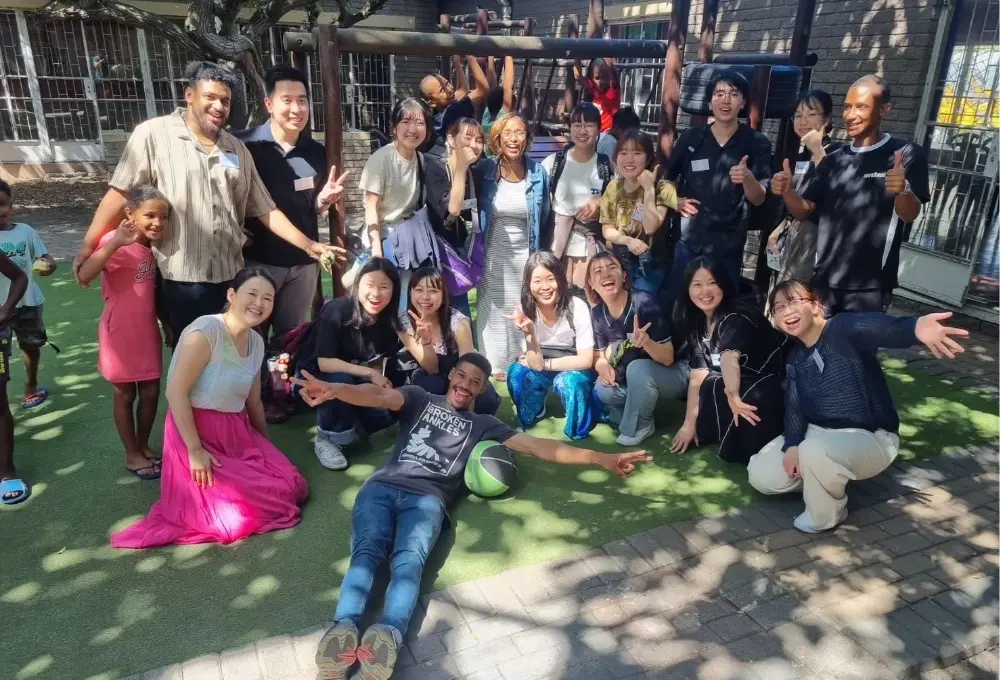
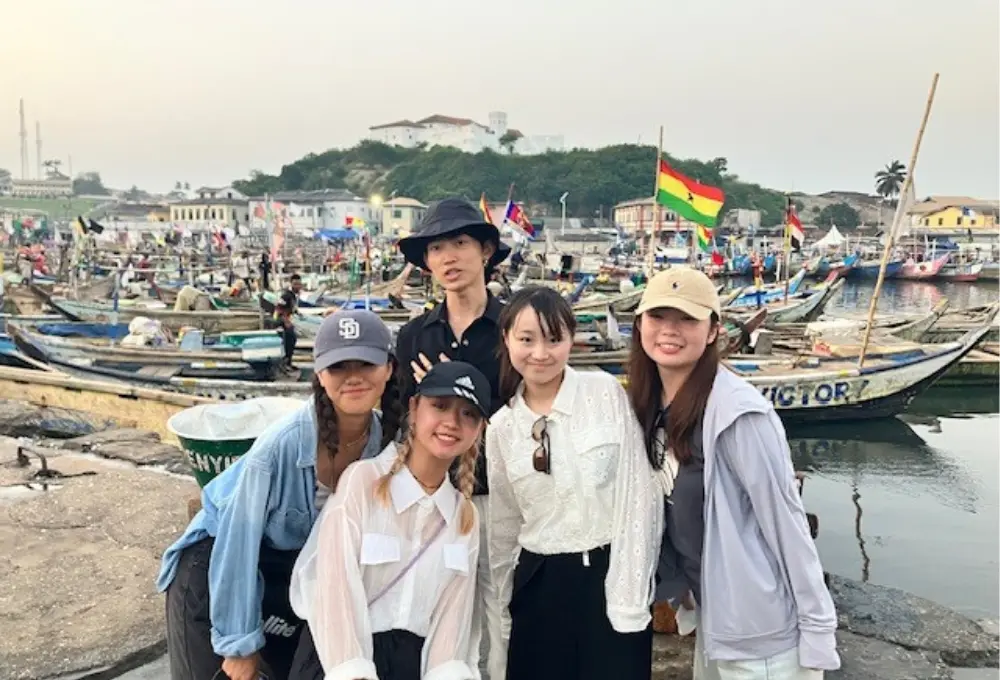
Sophia University has established curriculum specializing in the African region at both undergraduate and graduate levels, and has signed agreements with 17 institutions in 14 countries within the region, implementing short-term study tours, exchange programs, and COIL (Collaborative Online International Learning). Utilizing this educational foundation, we have newly planned a program for cultivating leaders with international applicability in global leader development, called " The development of leaders who contribute to solving global environmental challenges through international collaboration."
Through the collaboration of multiple faculties, we offer a curriculum themed on identifying and solving global environmental issues, which are internationally shared challenges. The program consists of "1. Joint Study Courses (Lectures)", "2. Short-Term Training", and "3. International Collaborative Practical Training and Mid- to Long-Term Study Abroad".
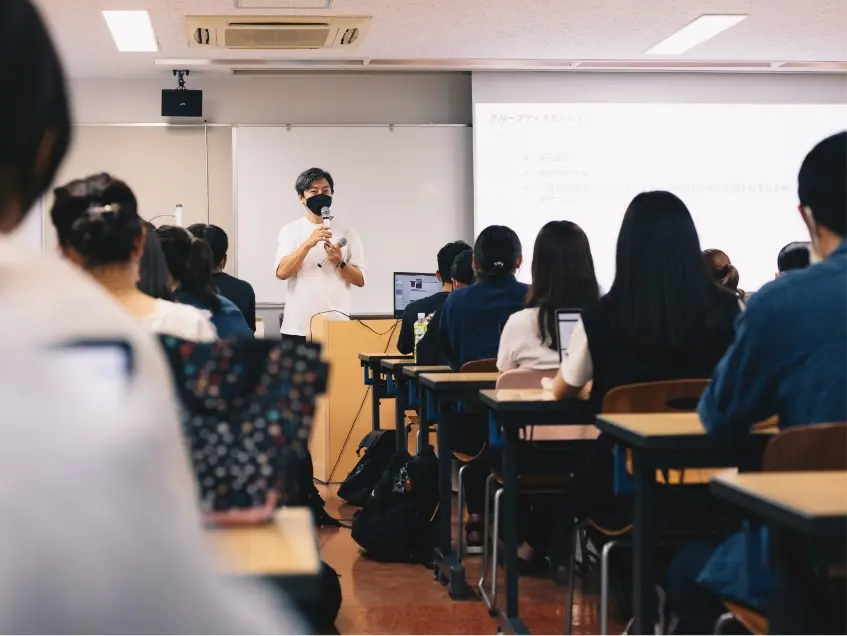
As a preliminary step to addressing challenges concerning the global environment, students from Japan and Africa will acquire basic knowledge about the history, culture, and language of both regions through lecture courses using COIL offered in English or French, aiming to develop and enhance their intercultural communication skills. Furthermore, students take lecture courses consisting of three subject groups (Japan-Africa Studies focusing on each regional relations, International Cooperation Studies covering the theory and practice of international collaboration, and Global Environmental Studies which draw from interdisciplinary fields such as environmental science, economics, and sociology) to acquire specialized knowledge aimed at identifying common challenges.
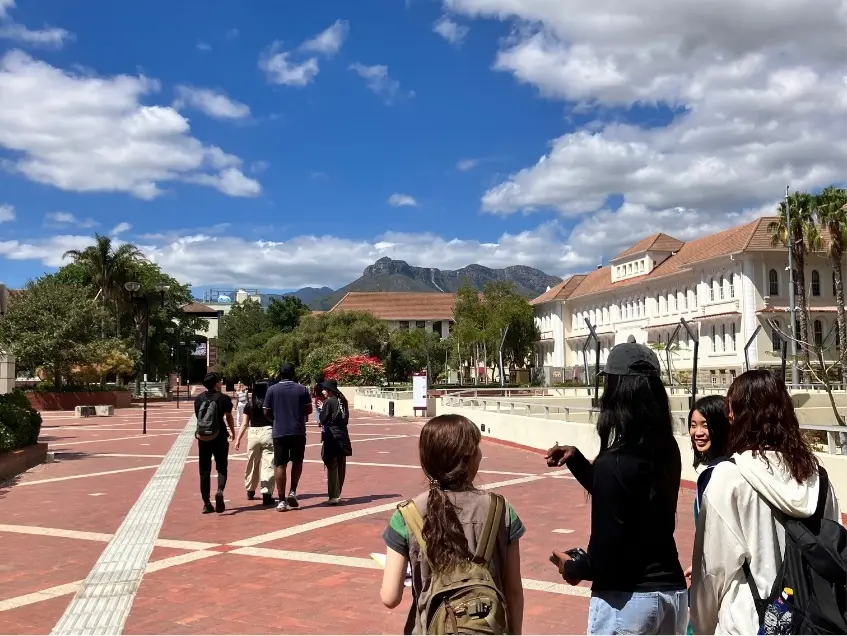
Participate in short-term training programs such as "Learn from Africa (Outbound Program)" and "Summer Session (Inbound Program)" to gain practical experience with the knowledge acquired in collaborative subjects. In the programs, in addition to lectures at the host university, students will identify common global environmental issues through discussions with local students and fieldwork, comparing them with those in each country.
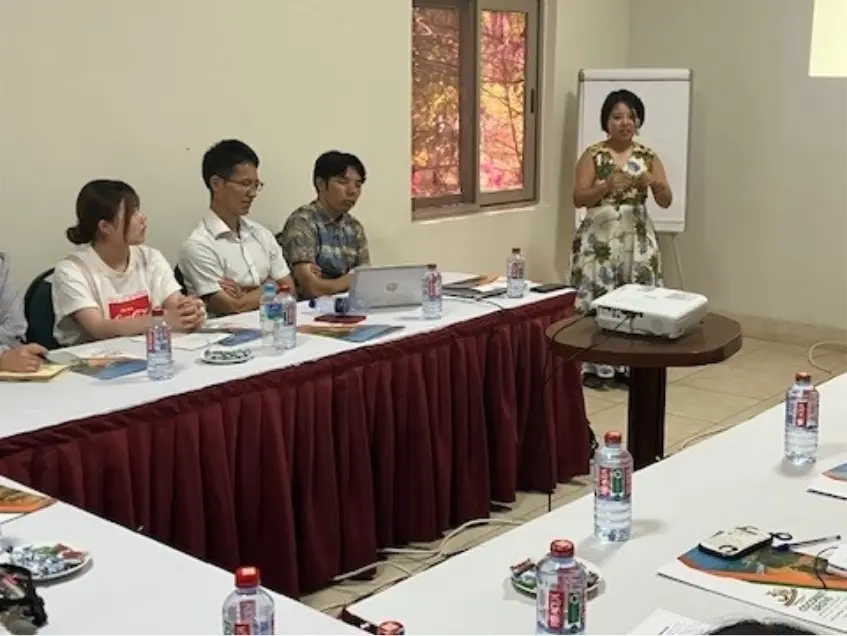
As the next step after short-term training, it consists of the Human-Nature Coexistence Project and the Sado Project to study environmental conservation in Japan, volunteer work and internships in collaboration with international organizations, and exchange programs where students stay locally for mid to long-term periods to deepen their learning. Through these activities, students identify common issues in various settings such as local communities, private companies, and international organizations, and aim to resolve them through international cooperation.
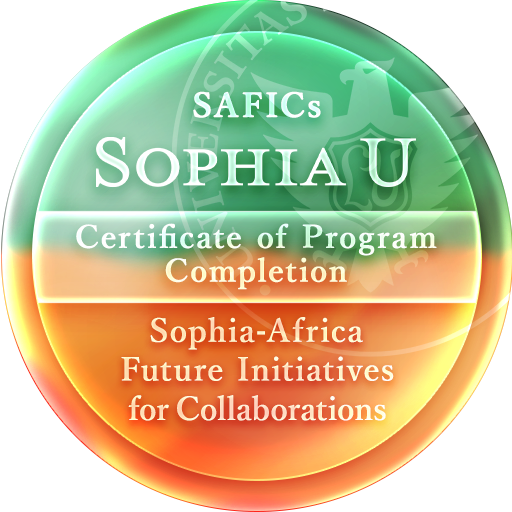
Students who complete this program and achieve satisfactory academic performance through these curricula will be awarded a digital certificate of completion (“Japan–Africa Collaborative Practice Program”) as well as an open badge.
At the graduate level, the program aims to enhance opportunities for students who complete this program as undergraduates to continue their studies at the graduate school and engage in mid- to long-term study abroad or research.






Let’s learn
together!



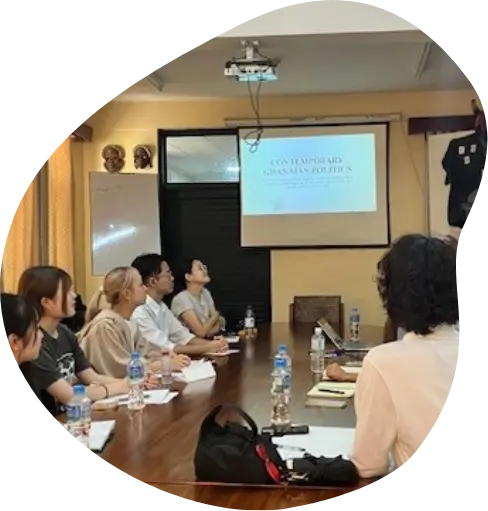
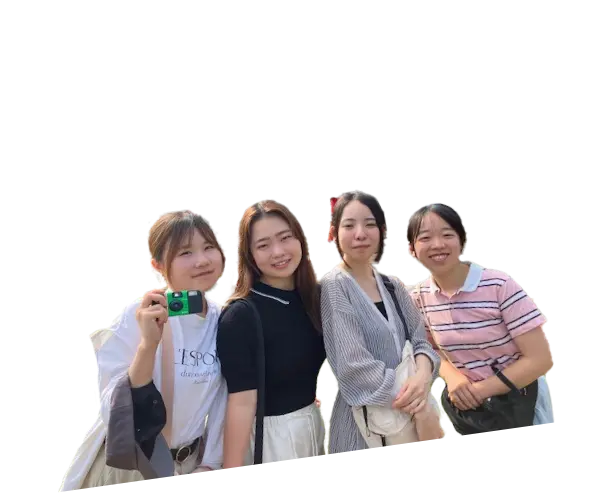
A look into life
in Africa!


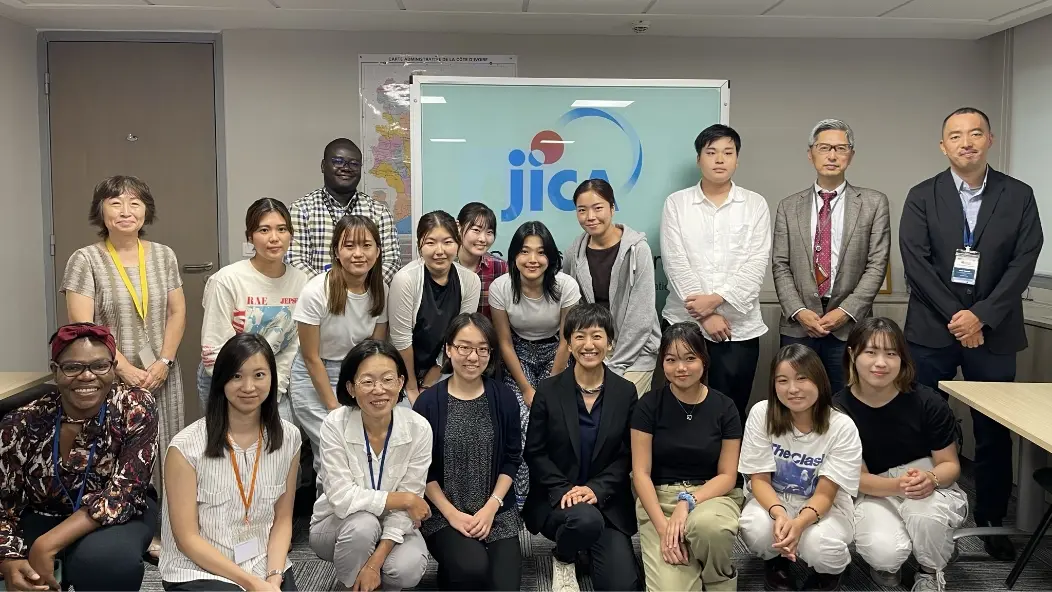
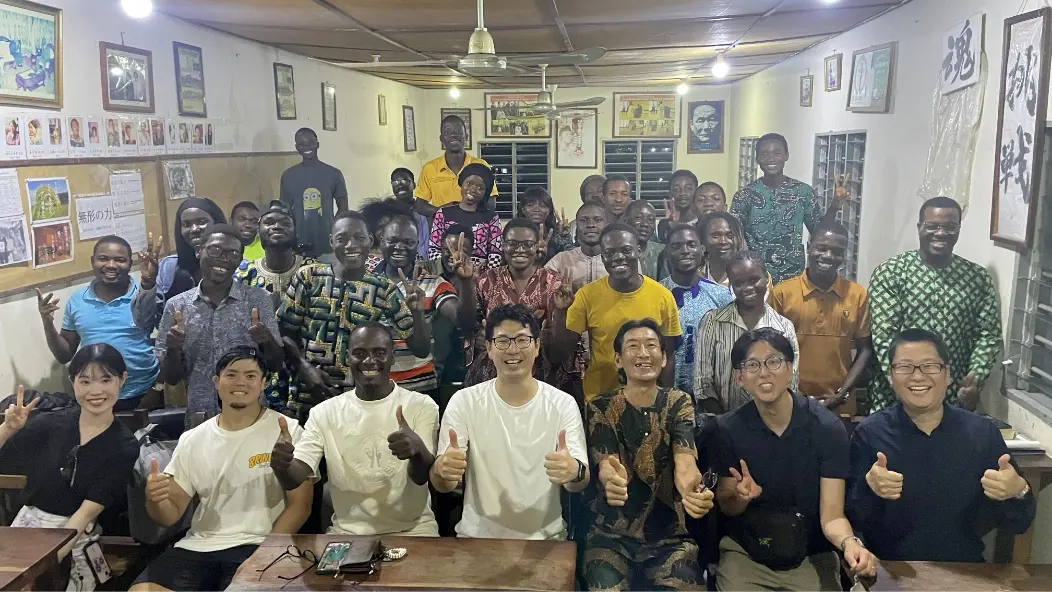
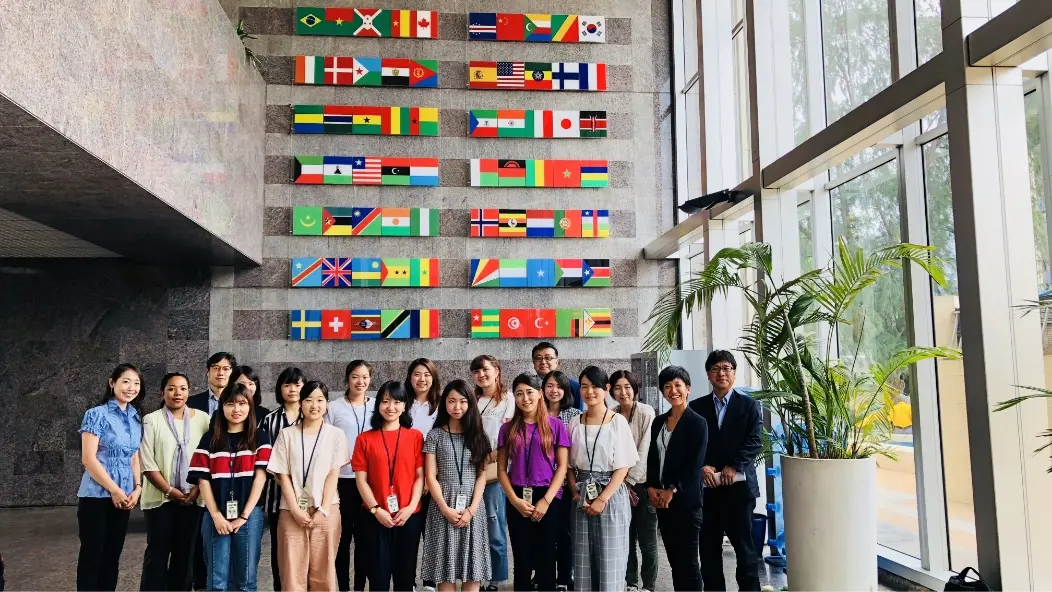
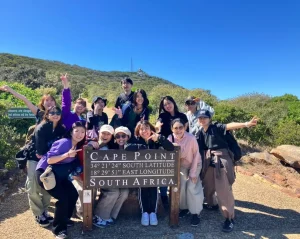
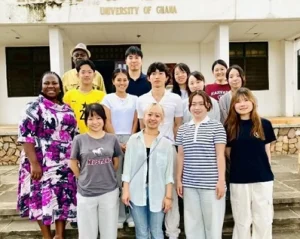
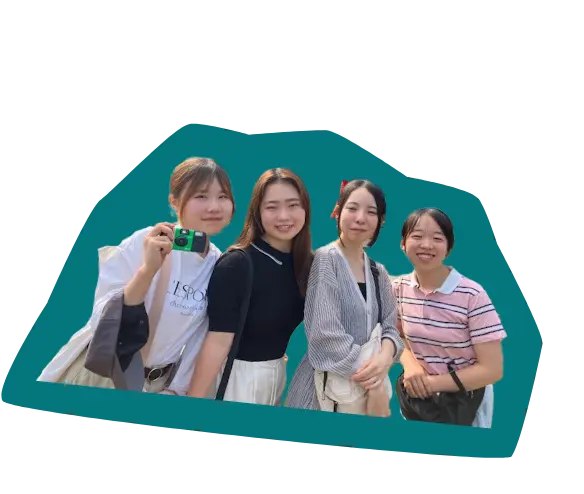
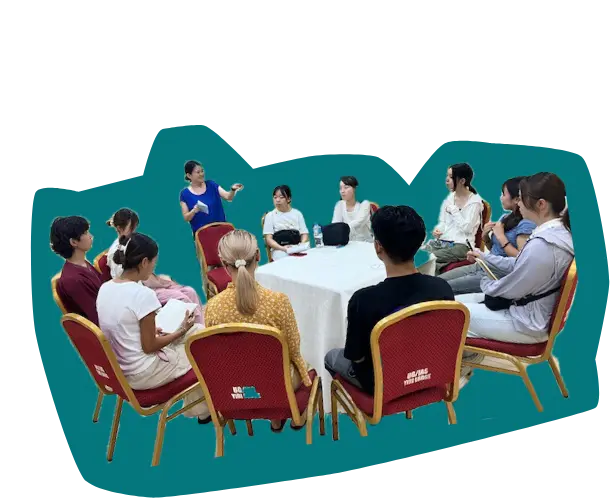
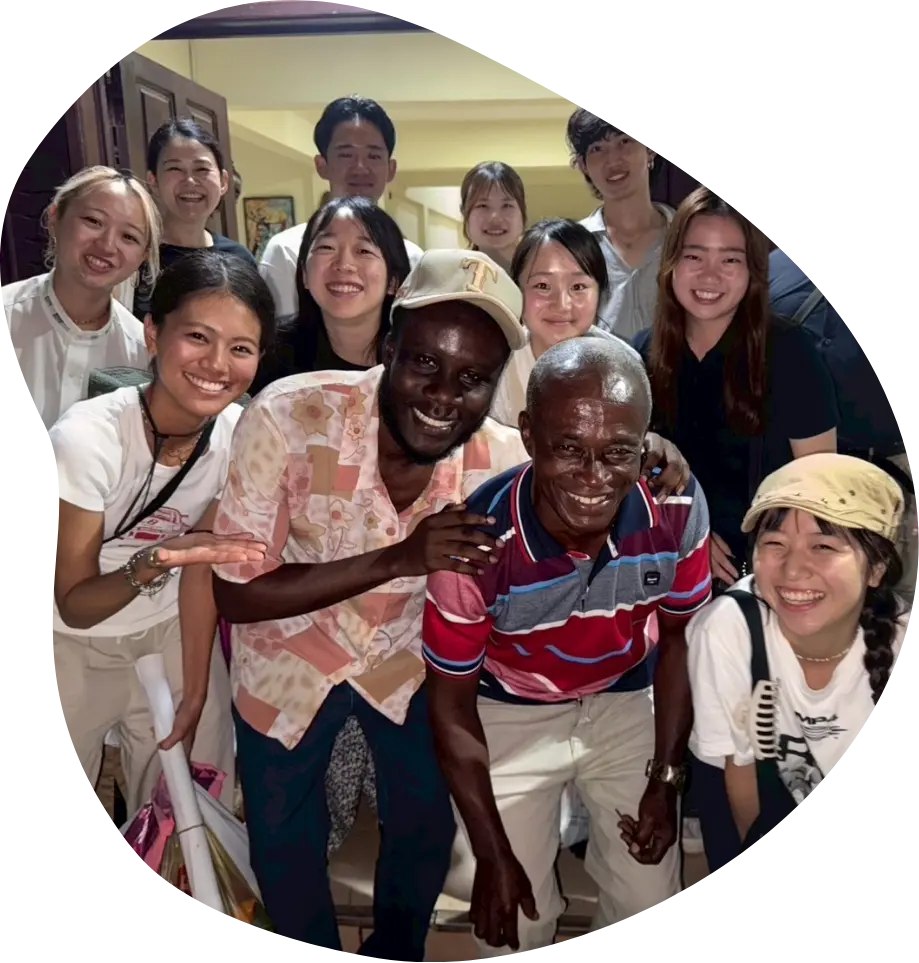
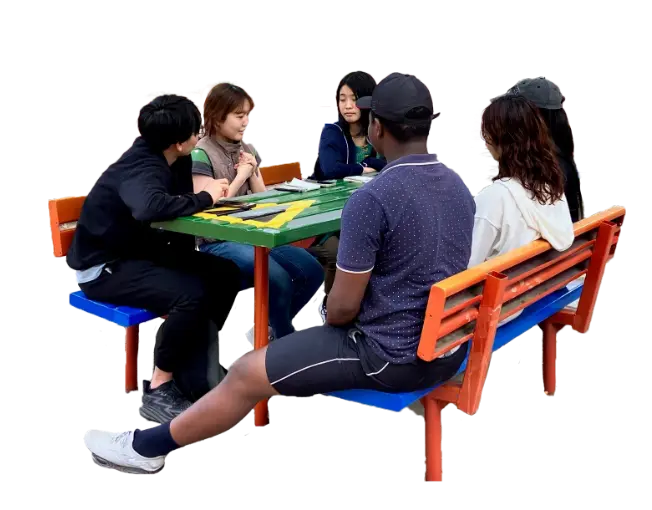
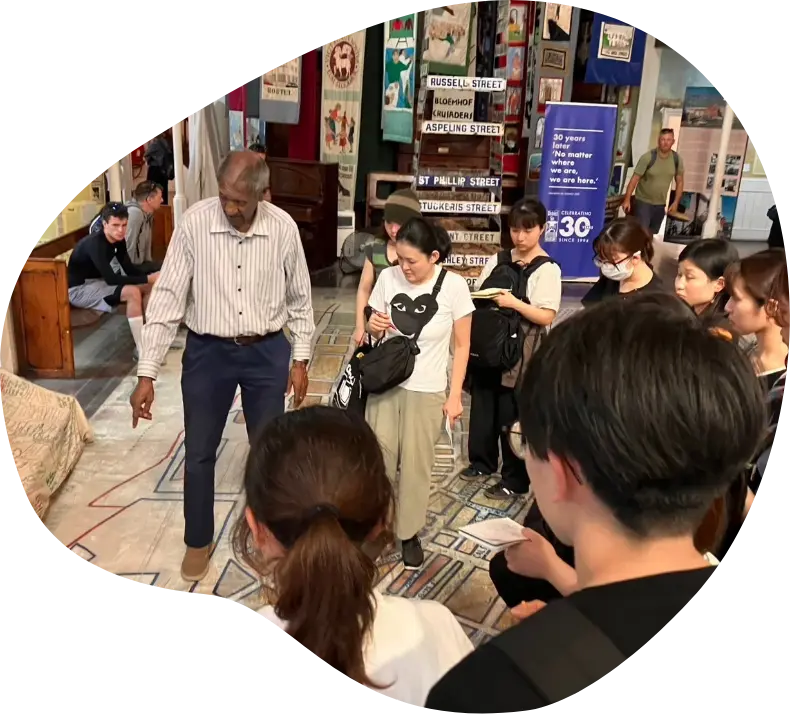
What do students traveling to Africa learn, feel, and experience in their daily lives there? We present their authentic experiences through classes, fieldwork, and interactions with local people.

This program cultivates global leaders—including government officials, practitioners, and researchers—capable of contributing on the international stage to solving global environmental challenges. As Japanese and African students collaborate to address global environmental issues, the program aims to develop the following competencies:

Communication Skills utilizing multiple languages to deepen mutual understanding, putting into practice Sophia university's educational philosophy of “For others, With others.”

Problem-solving skills utilizing an interdisciplinary approach in Japan-African regional studies, international cooperation studies, and global environmental studies

Through taking collaborative courses and engaging in diverse field training and study abroad programs, students develop the ability to act in international cooperation (International Collaborative Skills).


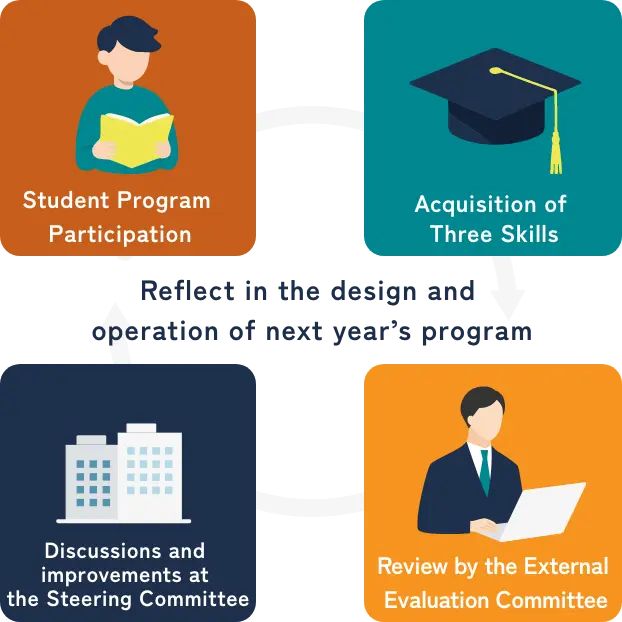
In order to fulfill the mission and goals of this program, we will continuously review and evaluate the status of our education, research, organizational management, and other activities to ensure their quality, while also undertaking systematic efforts to improve and enhance them.
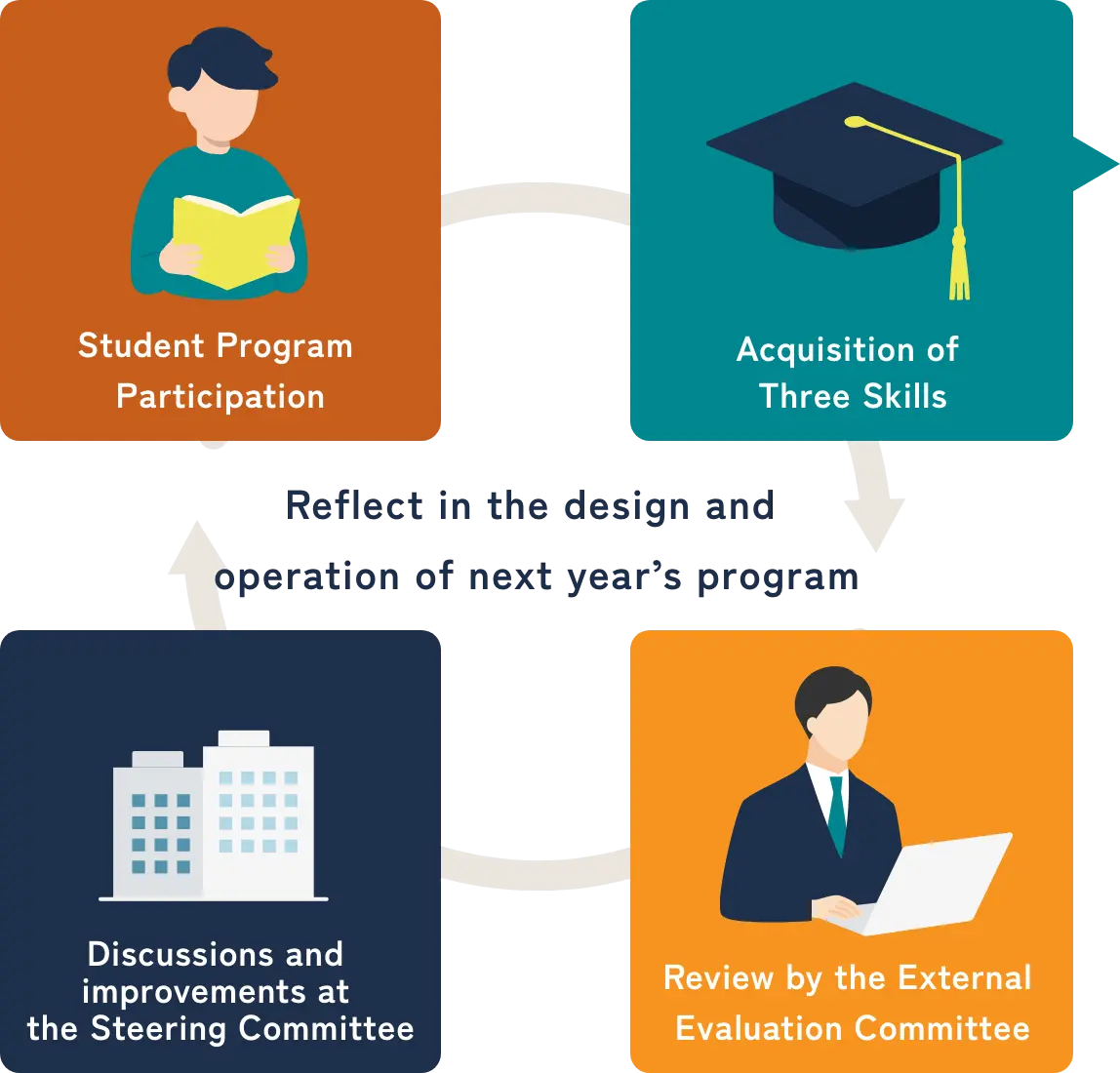
As an external evaluation committee for this program, the “International Joint Education Evaluation Advisory Committee” will be convened at least once a year to conduct annual monitoring and evaluation. The program review conducted by the external evaluation committee will be discussed by the Program Steering Committee and utilized for improvements in subsequent years. Through this regular process of self-assessment and evaluation, we ensure the quality of educational and research activities as well as the level of student learning outcomes, and continuously strive for improvement and enhancement.
Students participating in this program are expected to develop the three competencies as their learning outcomes.
This program ensures quality by continuously reviewing and evaluating its educational content and operational structure, making improvements to enable students to acquire solid skills.
Communication Skills utilizing multiple languages to deepen mutual understanding, putting into practice Sophia university's educational philosophy of “For Others, With Others.”
Problem-solving skills utilizing an interdisciplinary approach in Japanese-Asian regional studies, international cooperation studies, and global environmental studies
Through taking collaborative courses and engaging in diverse field training and study abroad programs, students develop the ability to act in international cooperation (International Collaborative Skills).
If you have any questions or concerns about the Japan-Africa Collaboration Program, please contact us here.