



Through this initiative, Sophia University will implement programs that contribute to both education and research by closely collaborating with partner universities in Africa, as well as international organizations and companies in Japan and abroad, leveraging their respective expertise and networks.
We collaborate with seven universities in Africa that have close ties with Sophia University.
This project will be implemented with the cooperation of international organizations and companies with deep ties to the African region. Specifically, through collaboration with the following organizations and companies on lectures and other activities, we will provide students with opportunities for practical learning.

Stellenbosch University (SU) founded in 1918 – is one of Africa’s leading research-intensive universities. With ten faculties and transdisciplinary collaboration through the School for Data Science and Computational Thinking and School for Climate Studies SU drives world-class research, pioneering technological advancements, and transformative education.
SU maintains partnerships with more than 400 institutions across 72 countries. Among these valued partners is Sophia University.
SU and Sophia University formalised their collaboration with an academic exchange agreement in 2012, followed by a student exchange agreement in 2015. Since then, the partnership has grown, fostering two-way mobility and academic engagement. This includes reciprocal student exchanges through study-abroad programmes, participation in the experiential "Learn from Africa" initiative, the hosting of Sophia University students in SU’s short-term Summer Session, as well as ongoing faculty and staff exchanges.
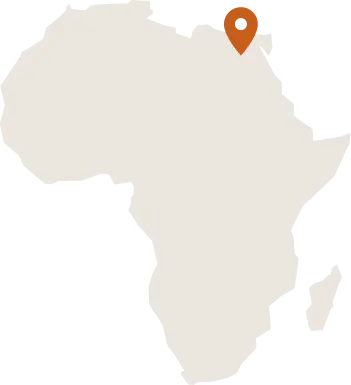
Egypt-Japan University of Science and Technology (E-JUST) is a research university established in May 2009 as a bilateral agreement project between the Egyptian and Japanese governments. By 2010, it was ready to welcome its first cohort of postgraduate students and by 2017, it welcomed its first cohort of undergraduate students. E-JUST is strongly supported by both governments, and it hosts a project-based office for the Japan International Cooperation Agency (JICA). Support from Egypt and Japan includes governance and financial assistance, as well as the provision of administrative and academic experts, state-of-the-art machinery, equipment, and research tools—each offered according to the respective fields of contribution.
E-JUST comprises several faculties and programs for both undergraduate and graduate studies: the Faculty of Engineering (FOE), the Faculty of Basic and Applied Sciences (BAS), the Faculty of International Business and Humanities (FIBH), the Faculty of Computer Science, the Faculty of Art & Design and the Faculty of Pharm-D.
Since 2020, Sophia University has collaborated with E-JUST under academic exchange and student mobility agreements. The partnership currently includes not only reciprocal student exchanges but also joint COIL (Collaborative Online International Learning) courses across multiple disciplines, reflecting a broad and growing engagement between the two institutions.


Founded in 1962 by the Jesuits, this private university places “human dignity, social responsibility, and peacebuilding” at the core of its educational philosophy, reflecting Jesuit ideals. It aims to cultivate leaders with ethical judgment and practical skills in the fields of politics, economics, and the environment. Sharing the same Jesuit educational philosophy, Sophia University signed an academic exchange and student mobility agreement with this institution in 2014. Since then, it has continuously hosted students in both long- and short-term programs.
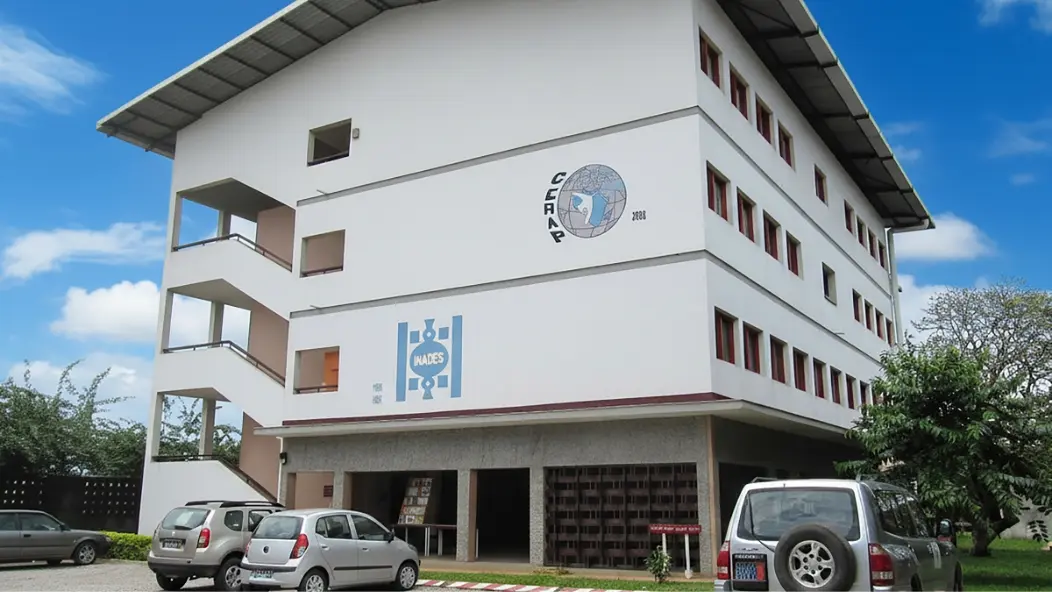


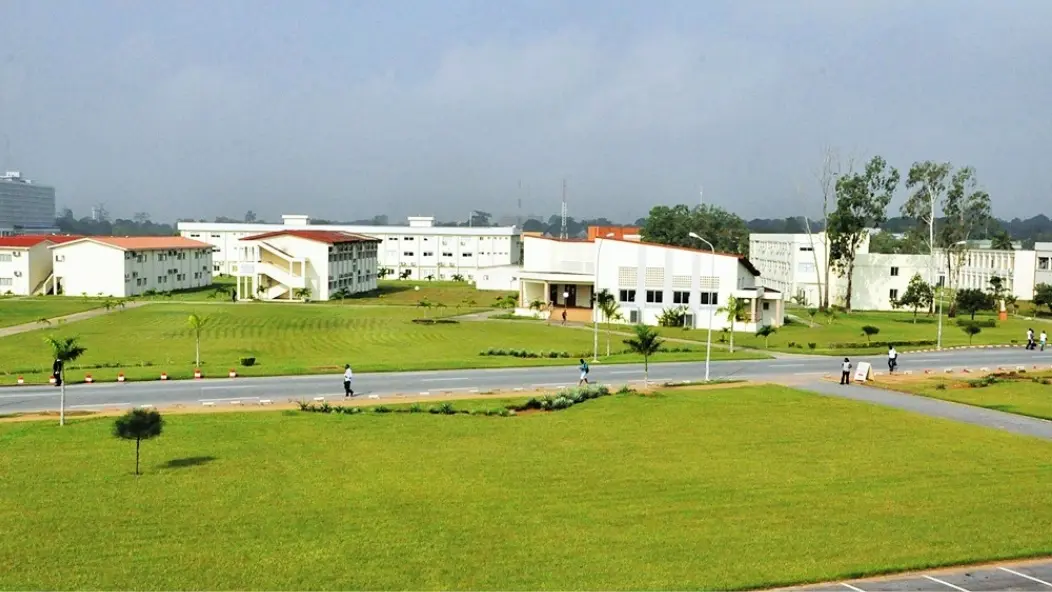
Founded in 1964 as the former University of Abidjan, this is one of the largest national universities in West Africa. Located in Abidjan, it is recognized as a central institution for higher education and research in Francophone Africa. As a comprehensive university covering fields such as medicine, science and technology, law, economics, and the humanities, it is particularly highly regarded domestically and internationally for training advanced professionals in science, healthcare, and agriculture. Sophia University signed a Memorandum of Cooperation with this university in 2020.
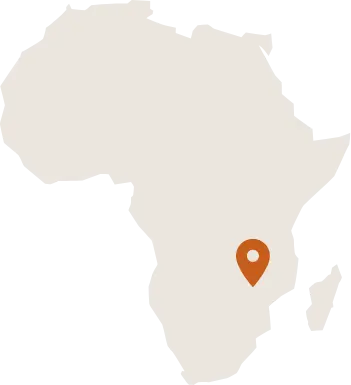
Located in Harare, Zimbabwe, this private Catholic university was established and is operated by the Jesuits. It offers undergraduate and graduate programs primarily in philosophy, the humanities, social sciences, ICT and Engineering, aiming to cultivate leaders who combine knowledge, ethics, and a spirit of service. The university’s education is grounded in Jesuit ideals, emphasizing the formation of “people who live for others.”
Sophia University signed an academic exchange agreement with this institution in 2022. The university also actively participates in Jesuit Worldwide Learning (JWL), a global Jesuit educational initiative aimed at providing high-quality higher education to people living in remote or marginalized regions.

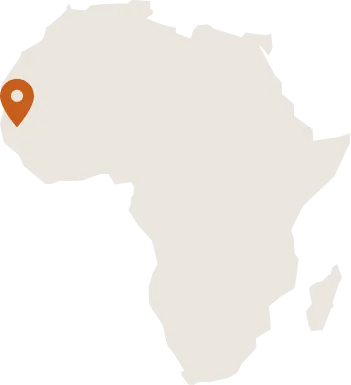
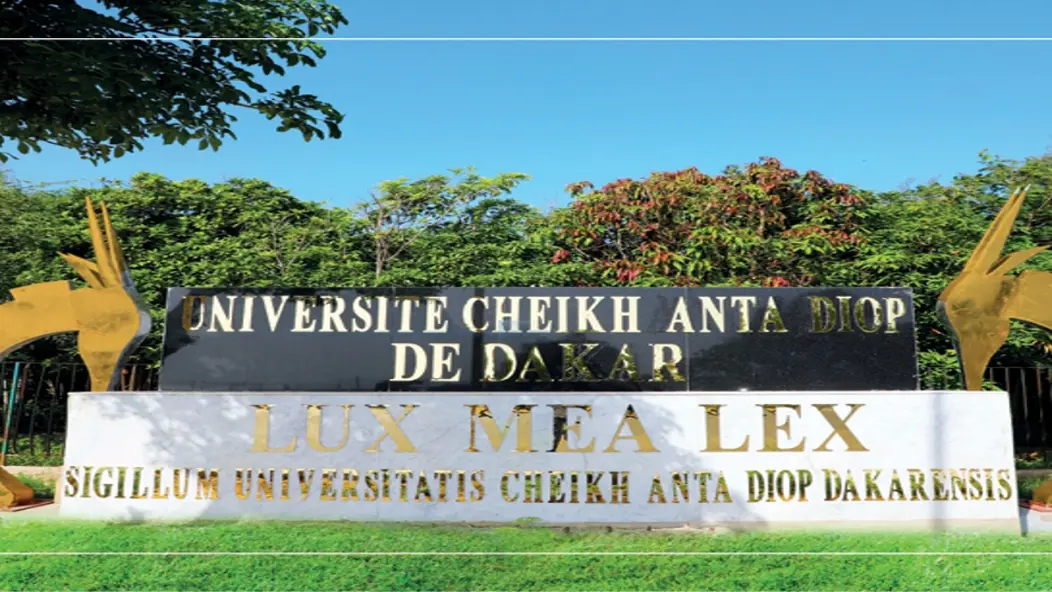
Located in Dakar, the capital of Senegal, this national university is one of the most historic and influential institutions in West Africa and a leading university in Francophone Africa. It is a large, comprehensive institution offering education and research across a wide range of disciplines, including the humanities, social sciences, law, economics, natural sciences, medicine, engineering, and agriculture. The university is also highly active in international academic collaboration, having established partnerships with numerous universities and research institutes. As a central hub for scholarship and research in Africa, it contributes significantly to both local and global communities.

Located in close proximity to Accra, the capital city of Ghana, the University of Ghana is the country’s oldest and largest national university. As a comprehensive public institution, it offers degree programmes across a broad range of disciplines, including the humanities, social sciences, natural sciences, health sciences, agriculture, business, law, engineering, and education. The university attracts a diverse student population from Ghana, Africa, and other parts of the world.
The University of Ghana is internationally recognised for its academic and research strengths in tropical medicine, demography, agriculture, environmental studies, African studies, and development studies. Through its research institutes and centres, the university continues to make significant contributions to scholarship and policy engagement in Africa and beyond.
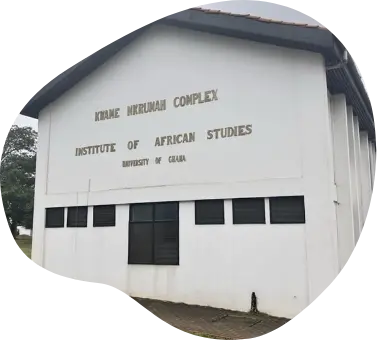
In 2025, Sophia University implemented its first short-term overseas programme, “Learn from Africa,” in partnership with the Insitute of African Studies, University of Ghana. Building on the success of this initiative, both institutions aim to deepen their collaboration and promote sustained, mutually beneficial academic exchange in education and research.

Sophia University and JICA signed a Cooperation Agreement in 2011 and a Partnership Agreement in 2016. Through various collaborative initiatives—such as joint courses, internship programs, the JICA Development Studies Program (JICA-DSP) in the Graduate School of Education, and symposia held during Sophia University’s “UN Weeks”—we have built a strong partnership in education, research, and human resource development in the field of international cooperation.
Under this project, we plan to collaborate through Partnership Program of the JICA Japan Overseas Cooperation Volunteers (JOCV) scheme, as well as through courses incorporating COIL (Collaborative Online International Learning).
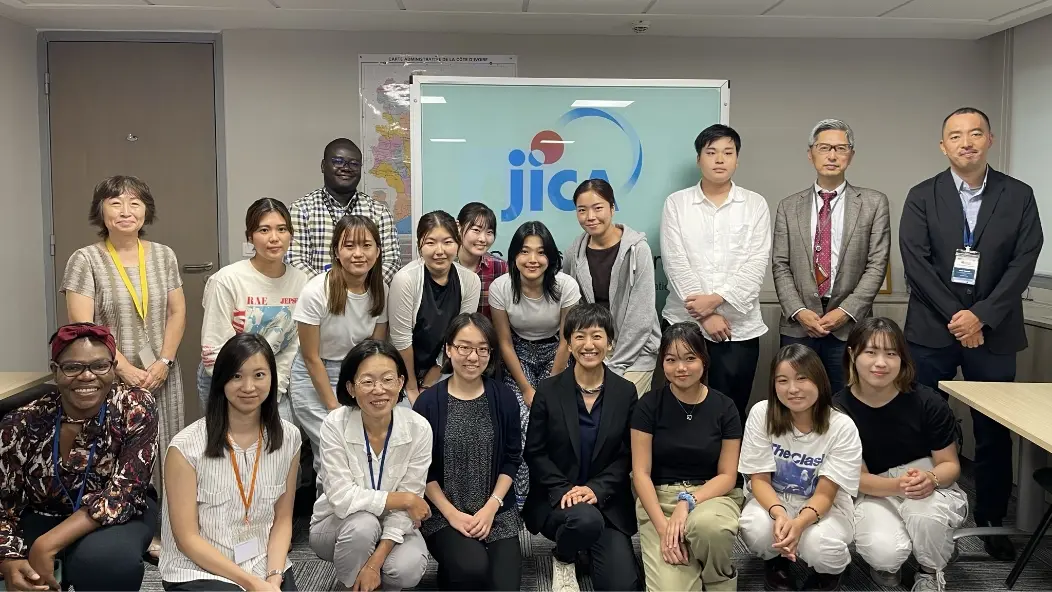

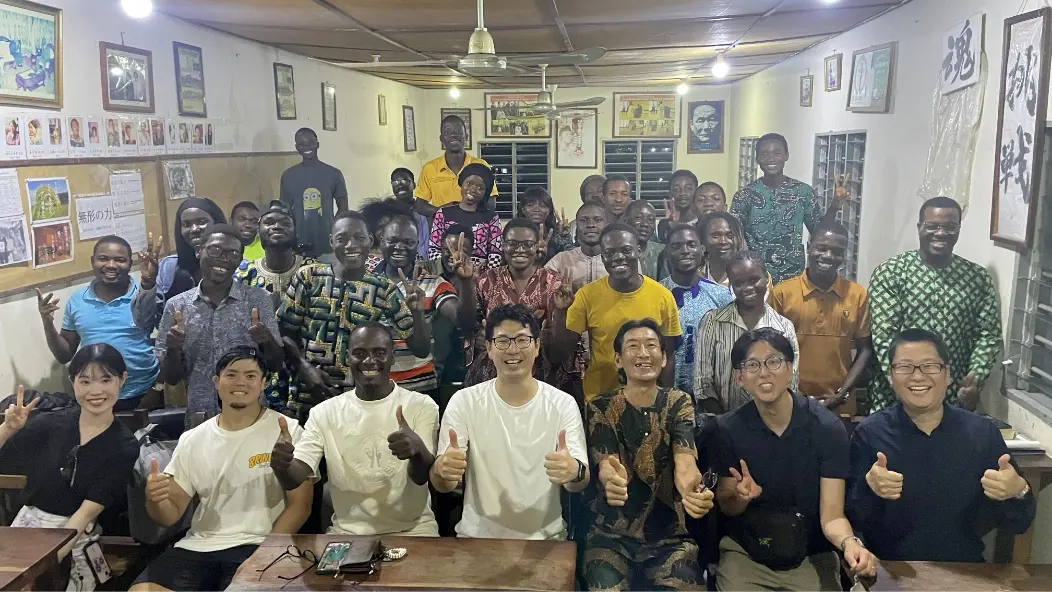
Toda Corporation implements a JICA Partnership Program called the “TOCV Program (Toda Overseas Cooperation Volunteers),” aimed at developing human resources capable of responding to overseas operations, diversifying business activities, and adapting to a rapidly changing world. Employees assigned to African countries engage in community development activities centered on agriculture, sharing the same objectives as Sophia University’s approach to human resource development.
Under this project, through industry-government-academia collaboration among Toda Corporation, JICA, and Sophia University, students will be assigned as “International Collaborative Volunteers” to work jointly with Toda Corporation employees assigned to the local sites.

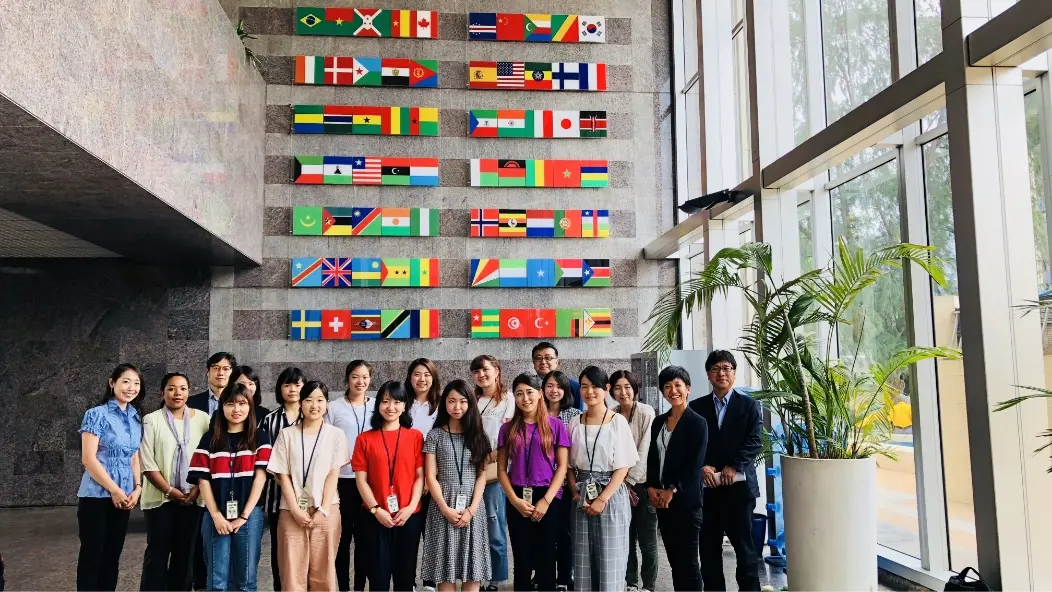
In 2019, Sophia University became the first Japanese educational institution to sign a comprehensive educational partnership agreement with the African Development Bank (AfDB). AfDB is an international organization aimed at promoting economic and social development in its member countries through infrastructure investment and technical cooperation for African governments, as well as by supporting private sector investment and development projects. To date, the partnership has facilitated collaborative initiatives such as joint courses on African development and international cooperation, co-hosted seminars and symposia, and internships for Sophia University students at AfDB offices.
This project is expected to further strengthen and expand such collaborative frameworks.
If you have any questions or concerns about the Japan-Africa Collaboration Program, please contact us here.